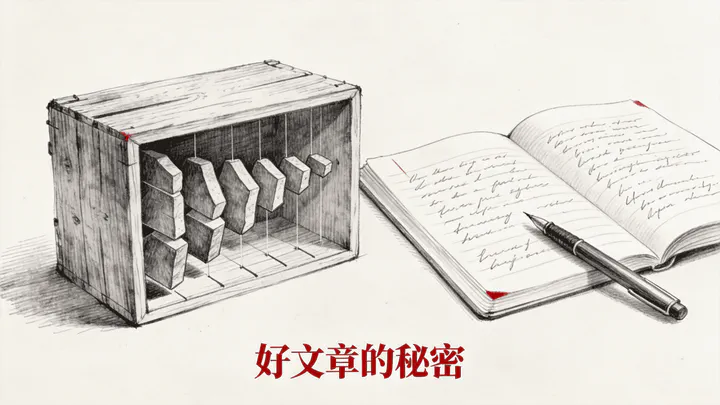
Paul Graham published a new essay in May 2025. The title is simply: Good Writing.
He put forward an idea that sounds quite outrageous: writing that sounds good is more likely to contain correct ideas.
Wait — what do these two things have to do with each other? Writing that reads smoothly and ideas being correct — aren’t those completely separate? It’s like saying a car that goes fast and a car with a nice paint job must be related.
But Paul Graham says they are related. And his explanation is remarkably clever.
A Lifetime of Writing Says: Sounding Good and Being Right Never Conflict
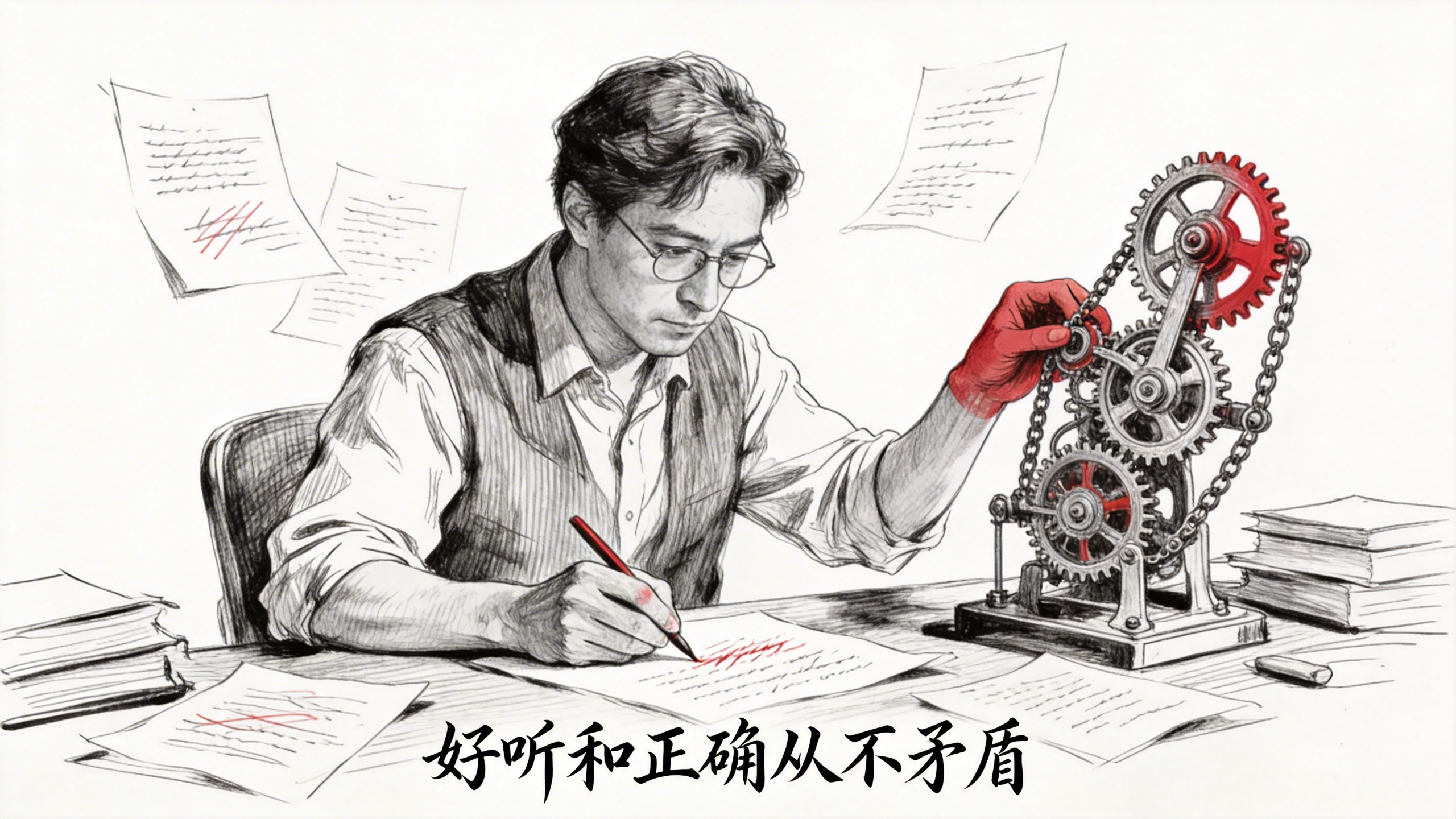
Paul Graham’s first argument comes from his own decades of writing experience.
He says that when you simultaneously pursue two unrelated goals, pushing both to the extreme will eventually force trade-offs somewhere. But in all his years of writing, he has never encountered a situation where “sounding good” and “expressing accurately” required choosing one over the other.
That’s quite interesting.
He even says that revising clunky sentences actually helps him straighten out his thinking. It’s a bit like cleaning your room — you start by wiping down the desk, then end up organizing all those messy files, and suddenly your mind feels clearer too.
On the surface, you’re just adjusting the “sound” of your words. In reality, you’re reorganizing your thoughts.
The Shaking Box Theory: A Brilliant Metaphor
Paul Graham shared an experience from 30 years ago.
He was typesetting his first book and ran into a layout problem: a paragraph was exactly one line too long for the page. What did he do? He edited the paragraph to be one line shorter.
You’d think that such a completely random constraint would surely make the writing worse, right?
The opposite happened — every time he made such edits, the result was better than before.
He believes this isn’t because his writing was particularly rough. The same would happen to anyone. Point to any passage and tell the author “make it a bit shorter” or “make it a bit longer,” and they’ll likely produce a better version.
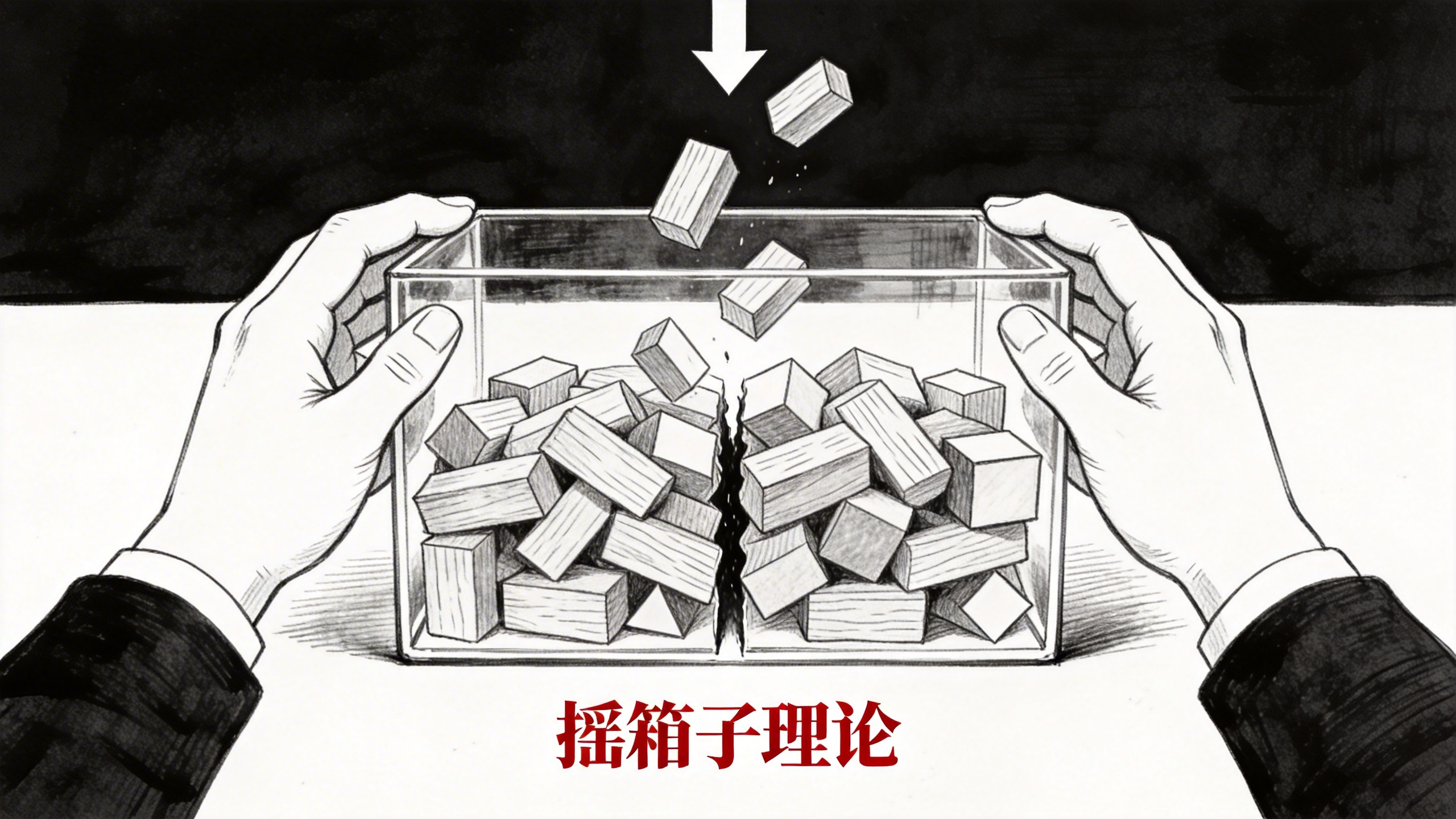
Then he offered a brilliant metaphor: shaking a box.
Imagine a box filled with objects of various shapes. You shake it randomly — the direction of each shake isn’t calculated to make any two objects fit together better. Yet after repeated shaking, these objects always find surprisingly clever ways to pack themselves more tightly.
Why? Because gravity doesn’t allow them to become looser. So every change can only move in a better direction.
Writing works the same way. When you’re forced to rewrite an awkward passage, you’d never make it less accurate. You can’t stand that feeling, just like gravity can’t stand things floating upward. So every revision, at the idea level, can only be an improvement.
The Author Is the First Reader
The shaking box theory explains the “unconscious” benefit: random revision constraints automatically push writing in a better direction.
But Paul Graham says there’s also a “conscious” benefit: good writing makes it easier to spot your own mistakes.
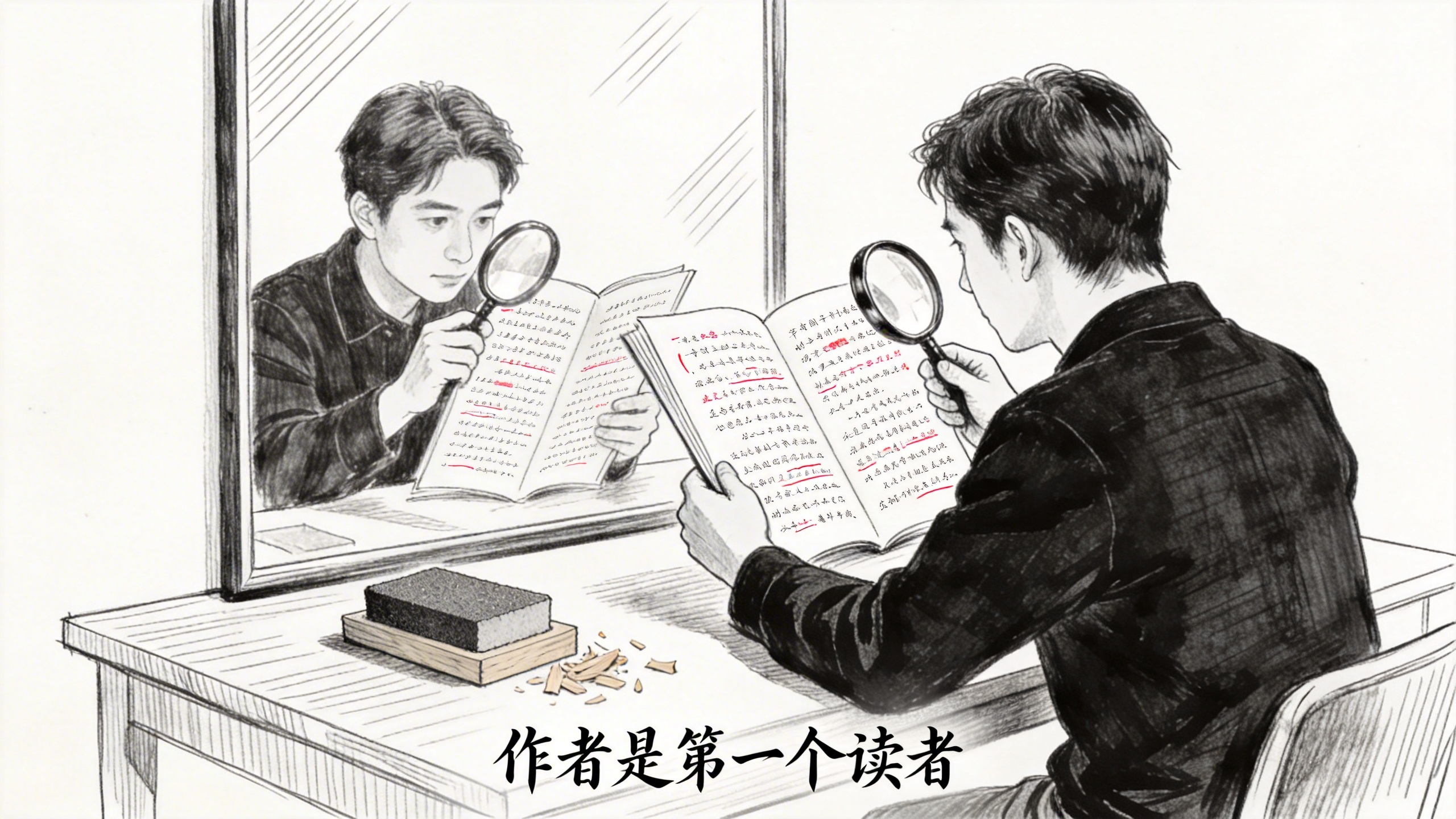
The reason is simple: the author is the first reader of their own work.
When he writes an essay, he spends far more time reading than writing. He’ll reread some paragraphs fifty, a hundred times, sitting with the ideas, asking himself: Is anything off here? Is anything stuck?
This process is like sanding a piece of wood — your fingers glide across the surface repeatedly, feeling for rough spots.
The smoother the writing reads, the easier it is to notice when something’s wrong. If the text itself is clunky, your attention gets captured by the awkward expression, leaving no mental bandwidth to check whether the underlying ideas are correct.
This explains why good writing tends to contain good ideas: smooth writing is both a result and a tool.
Good Rhythm Isn’t Musical Beat
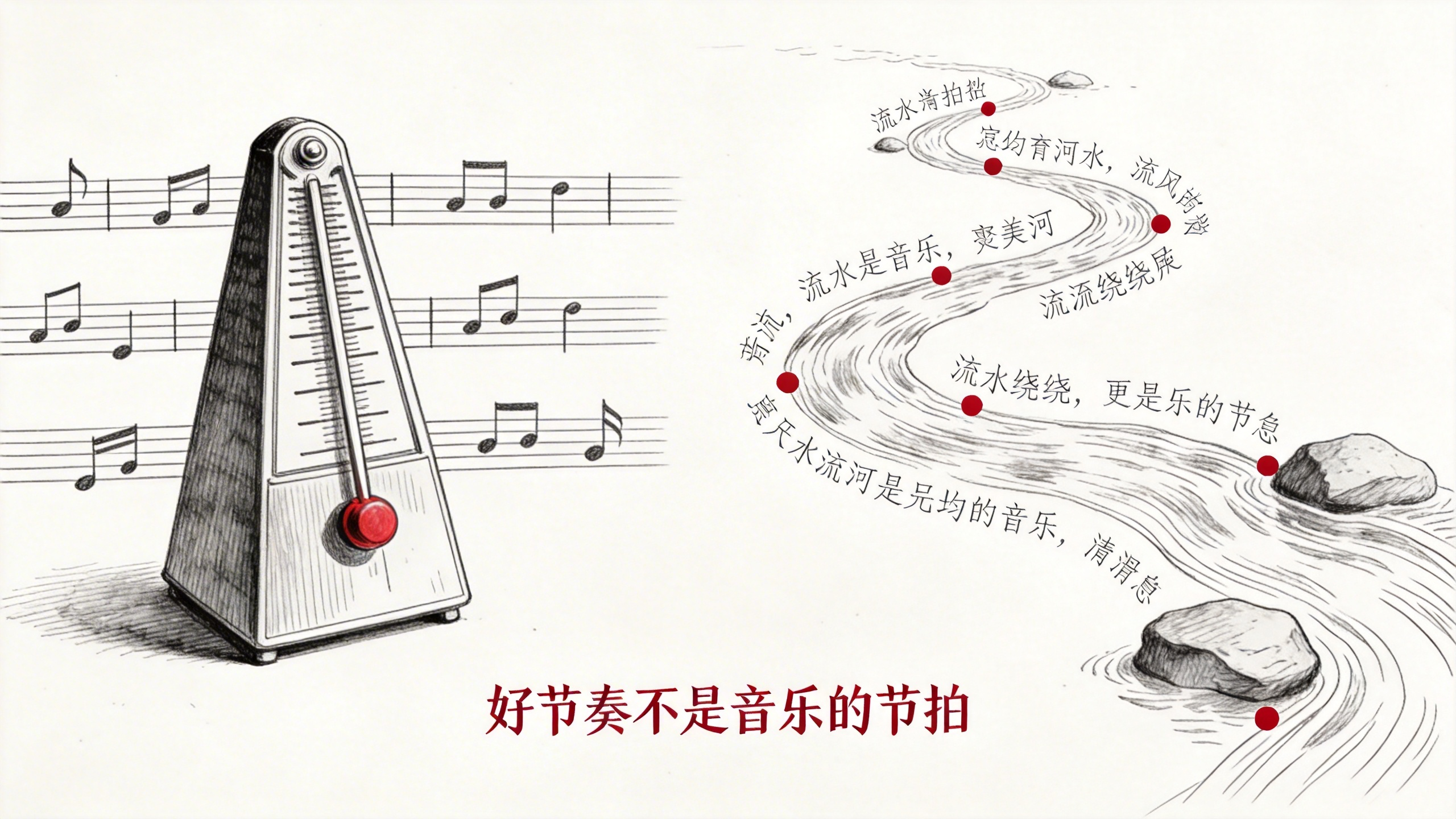
Paul Graham then explored a deeper issue: the rhythm of writing.
Good writing has rhythm, but this rhythm isn’t a musical beat, isn’t poetic meter — it’s not that regular. Being too regular would actually be bad, because good writing’s rhythm must follow the ideas, and ideas come in all shapes and sizes.
Some ideas are simple — just say them directly. Others are more nuanced, requiring longer, more complex sentences to unfold all their implications.
He says an essay is a refined train of thought, just as dialogue is refined conversation. Thoughts have their natural rhythm. So when writing reads smoothly, it’s not just because the rhythm sounds nice — it’s because the writing has returned to the rhythm of thinking itself.
This means you can use “does the rhythm feel right” as a signal for “are the ideas right.” Good writers do indeed work on both simultaneously. Paul Graham says he often can’t tell these two questions apart. He just feels “something reads wrong here,” asks himself “what am I actually trying to say,” and fixes both the rhythm and the idea at the same time.
He closed with a particularly beautiful analogy: the sound of writing is like the shape of an airplane. Kelly Johnson once said: if a plane looks good, it’ll fly well.
Two Important Caveats
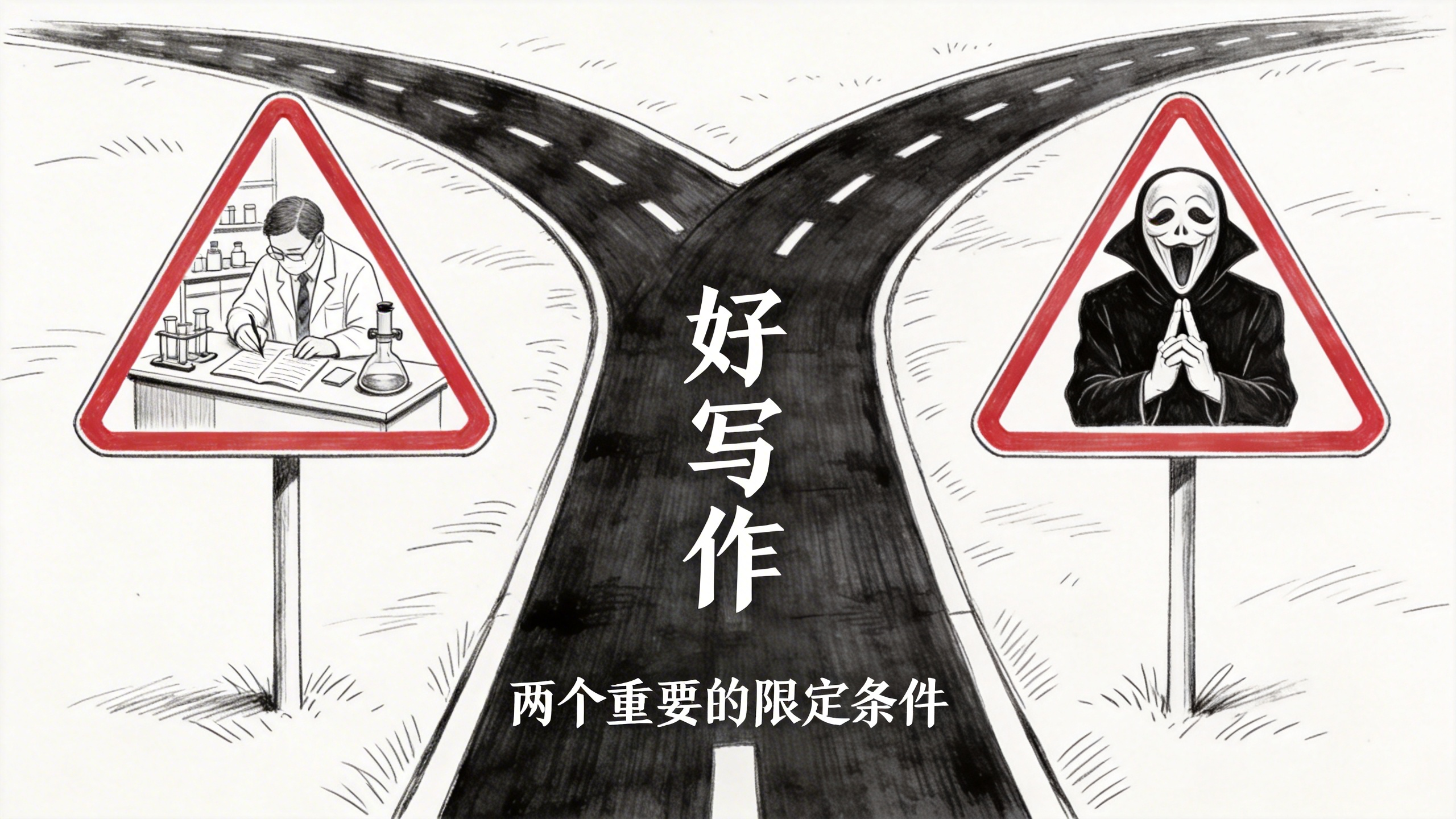
Paul Graham is honest — he added two limitations to his theory.
First caveat: this only applies to “writing as a way to develop ideas.”
If you first ran experiments, wrote code, or built a product, then wrote a paper to describe it, the ideas primarily live in the work, not in the words. In such cases, poor writing doesn’t mean poor ideas. The same applies to badly written textbooks and popular science: the authors are merely describing someone else’s ideas, not developing their own through writing.
Only when you’re “thinking through writing” does the quality of writing and the quality of ideas become tightly linked.
Second caveat: what about silver-tongued con artists?
Paul Graham acknowledges that a skilled wordsmith can indeed make false claims sound beautiful. But the key is: they must first nearly convince themselves of those falsehoods. It’s like method acting — you have to get into character.
So what a con artist produces is also a perfectly coherent train of thought — it’s just that its connection point with the real world is wrong. What they say is actually logical under certain false premises. For example, if a country’s jobs were truly fixed in number, then immigrants really would be stealing locals’ jobs.
This leads to a more precise formulation: good-sounding writing isn’t necessarily true, but it’s more likely to be internally consistent. If the author is honest, internal consistency and truth tend to converge.
The Reverse Almost Always Holds
Paul Graham’s final point offers a more practical judgment tool.
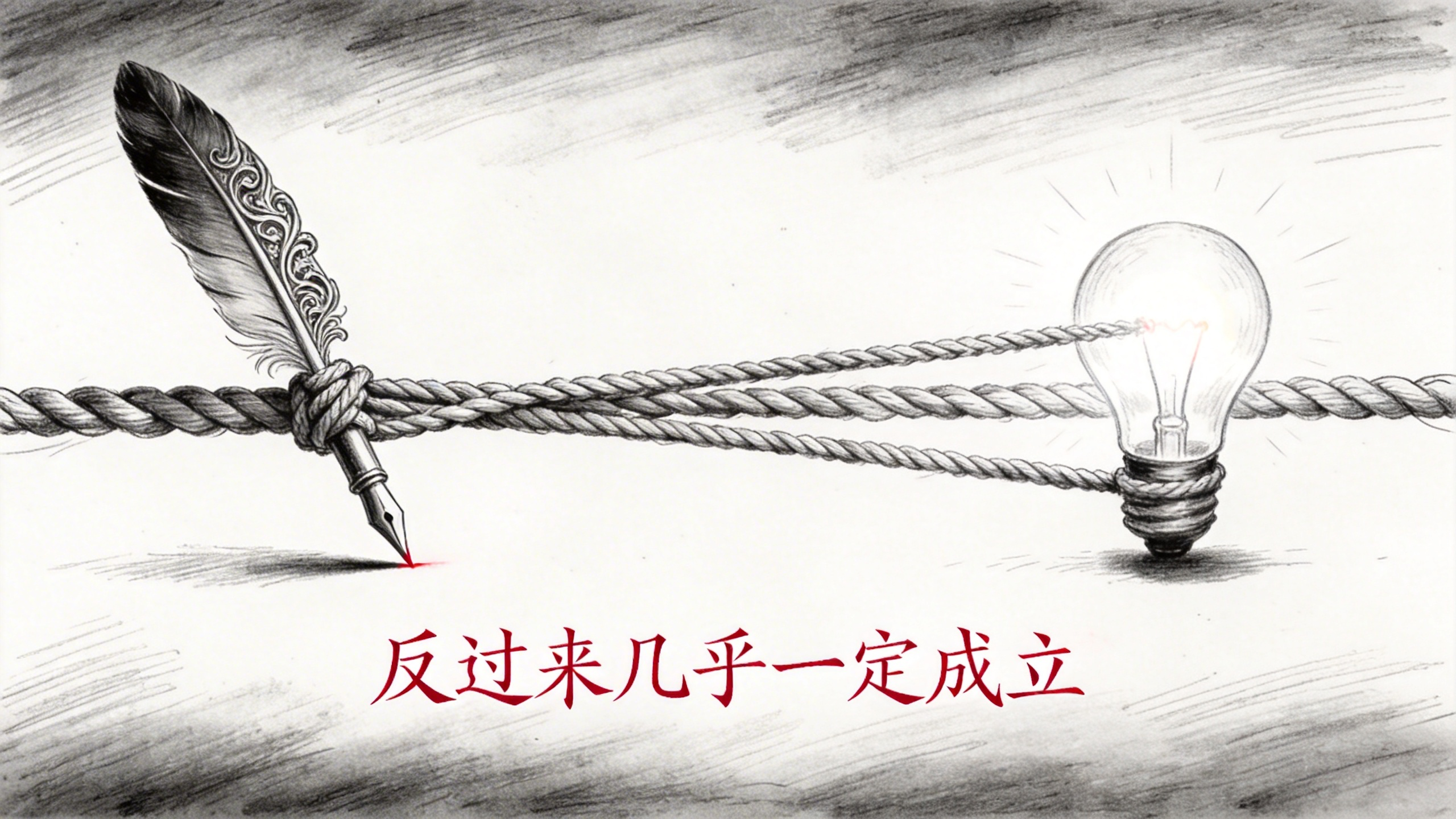
While we can’t safely deduce “good ideas” from “good writing,” the reverse almost always holds: clumsy writing usually means clumsy thinking.
He compared the two layers of good writing to the two ends of a rope. Their connection isn’t a rigid rod but a cable, woven from many overlapping fibers. Yet it’s hard to pull one end without moving the other.
It’s hard to think well but write poorly, and hard to write well but think poorly.
This is Paul Graham’s ultimate definition of “good writing”: sound and thought are two sides of the same coin.
By the way, this theory is also instructive for those of us who write with AI assistance. AI can help you make sentences smoother, but if your thinking is muddled, no amount of smooth prose can save you. Truly good writing still starts with good ideas.