
What Is Meta Building in Secret?

Someone recently dug up a treasure trove of intel from Meta AI’s front-end code.
In short, Meta is simultaneously pushing forward at least five or six major initiatives — from a new model to browser agents, from scheduled tasks to open API keys. Any single one of these would be headline news.
What’s even more interesting is that the UI for some features is already partially live, suggesting an official launch could be just one announcement away.
Codename “Avocado”: Meta’s New Model
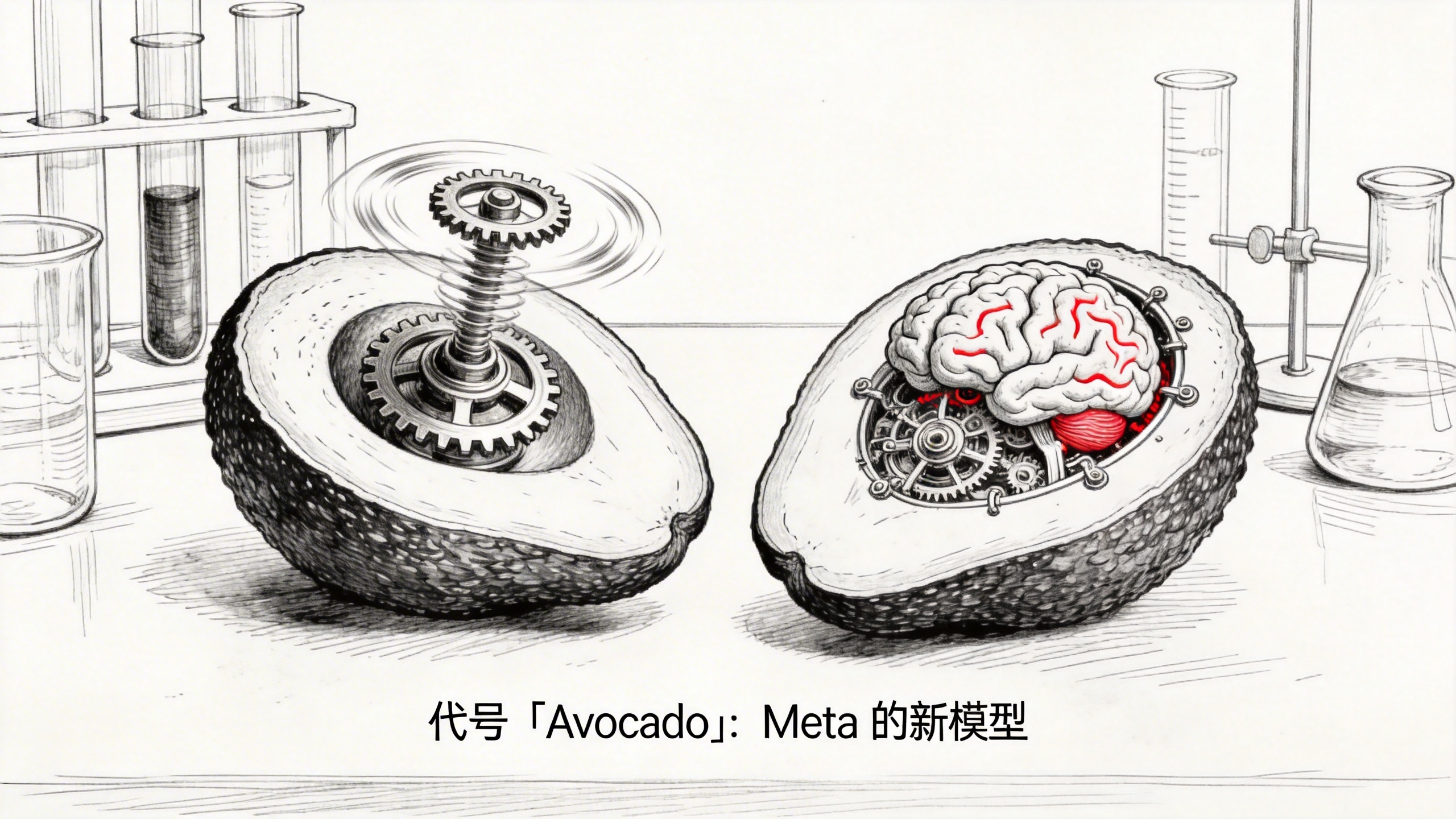
Yes, Meta named their new model Avocado.
Two versions have been spotted: Avocado and Avocado Thinking. The naming makes it obvious — one takes the fast route, the other the deep reasoning route, perfectly aligned with the mainstream “fast thinking vs. slow thinking” paradigm.
However, real-world testing shows Avocado’s response quality isn’t quite there yet. Some speculate the test environment may be running existing models for routing tests rather than the actual new model.
Earlier leaks suggested Avocado was “the best among current top-tier models” in internal testing. If true, it would go head-to-head with the recently released Opus 4.6 and GPT 5.3.
Post-Manus Acquisition: Browser Agent Is Here

Meta acquired Manus AI not long ago, and the effects are starting to show.
References to Manus AI Agent and Browser Agent appeared in the code. There’s also a model called Sierra, which appears purpose-built for browser agent tasks.
Even more intriguing: traces of a Voice Agent were found, reportedly using Zuckerberg’s own voice during testing.
Imagine saying one sentence to Meta AI and having it open a browser, fill out forms, and look up information for you — essentially embedding agent capabilities directly into a social platform.
MCP Protocol Integration: Meta AI Wants to Connect Everything
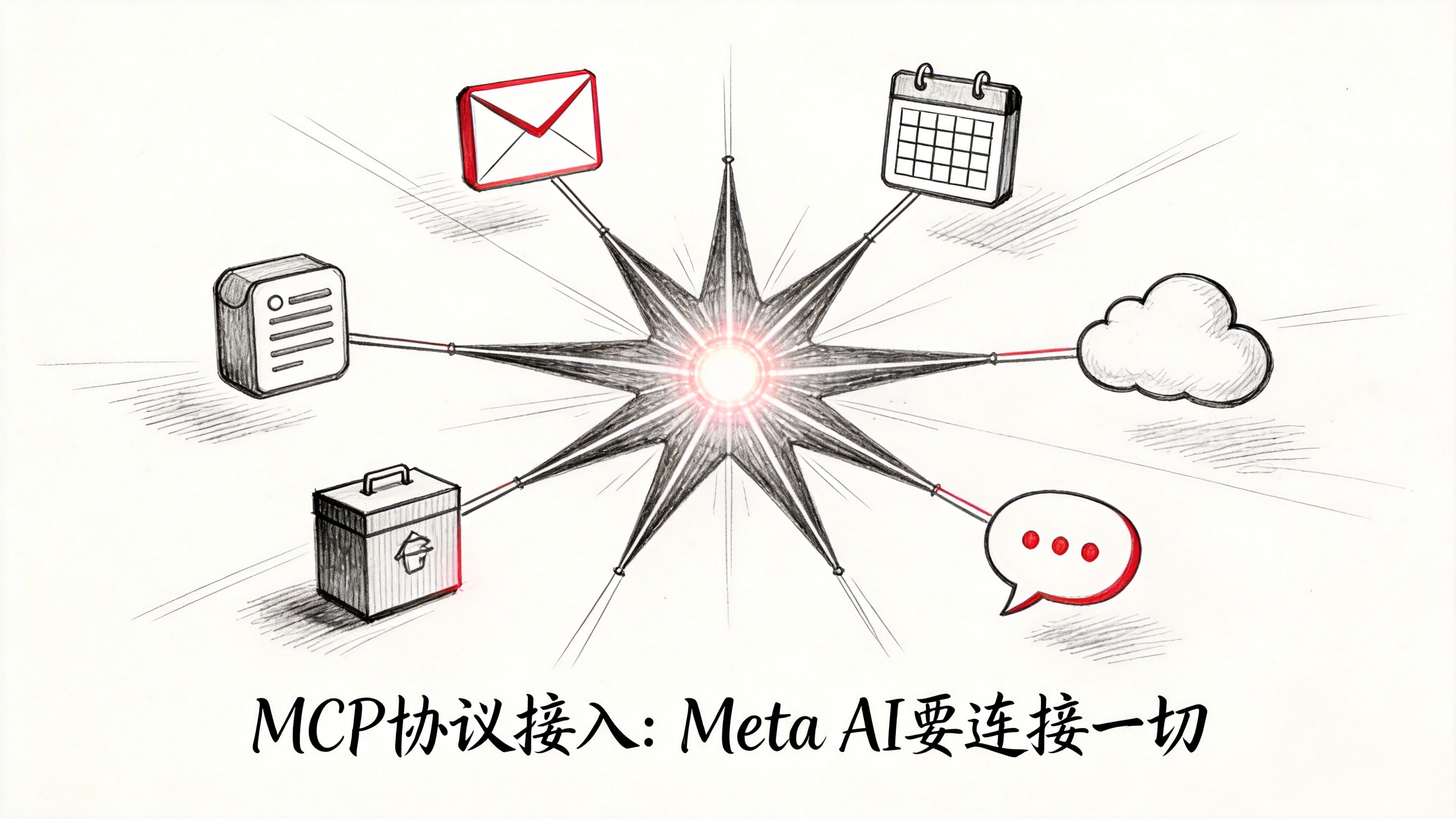
If you follow the AI tool ecosystem, you’ve certainly heard of MCP (Model Context Protocol).
Now Meta AI is adding support too. The interface already shows connection portals for Gmail, Google Calendar, and Microsoft Outlook.
This means Meta AI is no longer just a chat window — it’s becoming a smart hub that can read your emails, manage your calendar, and operate your tools.
With MCP protocol support, third-party developers can also plug in their services. This direction is identical to what Claude and ChatGPT are pursuing. Meta doesn’t want to fall behind.
Scheduled Tasks: Let AI Work on Its Own

The code also revealed a Tasks menu.
Users can set up scheduled tasks to have Meta AI automatically execute certain operations on a schedule. For example, summarizing your emails every morning or generating a weekly report every Friday.
This feature already exists in products like ChatGPT, and Meta following suit isn’t surprising. But combined with its social platform advantage, the possibilities are far greater.
Big Brain Mode and Internal Benchmarking

There’s also something called Big Brain Mode — an impressive-sounding name.
The mechanism runs multiple models simultaneously and picks the best answer. It sounds similar to Grok’s Heavy mode. While similar plans existed last year, it now appears Meta is serious about shipping it.
Another interesting find: Meta is internally benchmarking against Gemini, ChatGPT, and Claude. This shows they’re well aware of where they stand and are actively catching up.
OpenClaw: The Ambition of Open API Keys
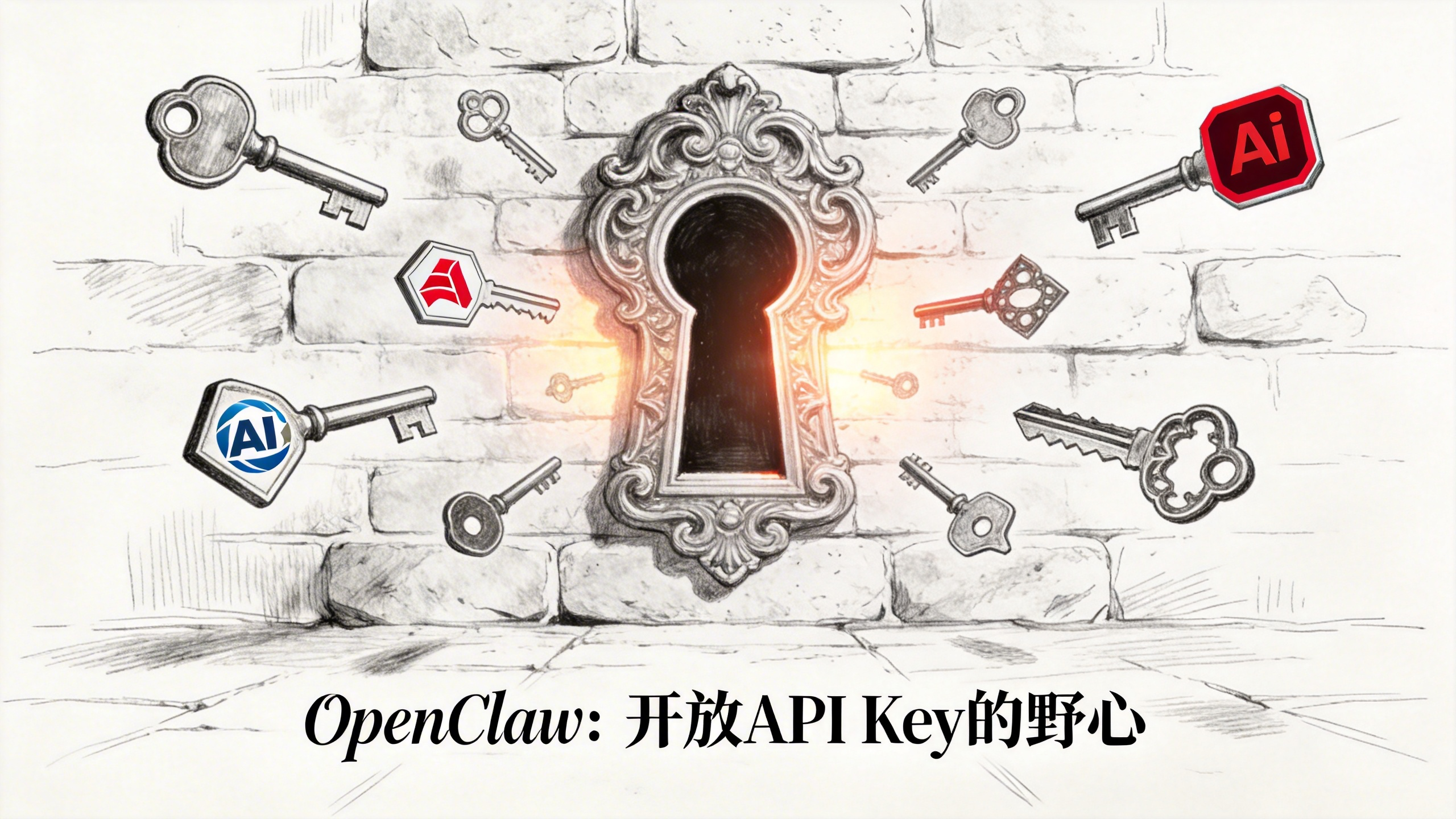
This might be the most noteworthy development.
References to an OpenClaw Agent appeared in the code, suggesting a “Bring Your Own Key” (BYOK) experience. Users could plug in their own API key from any model to power Meta AI.
If realized, this means Meta AI might no longer be tied to the Llama model family — it could become an open AI front-end. You could use a Claude key, a GPT key, or even an open-source model key.
That’s a bold move.
Shopping Assistant: Meta’s Monetization Ace
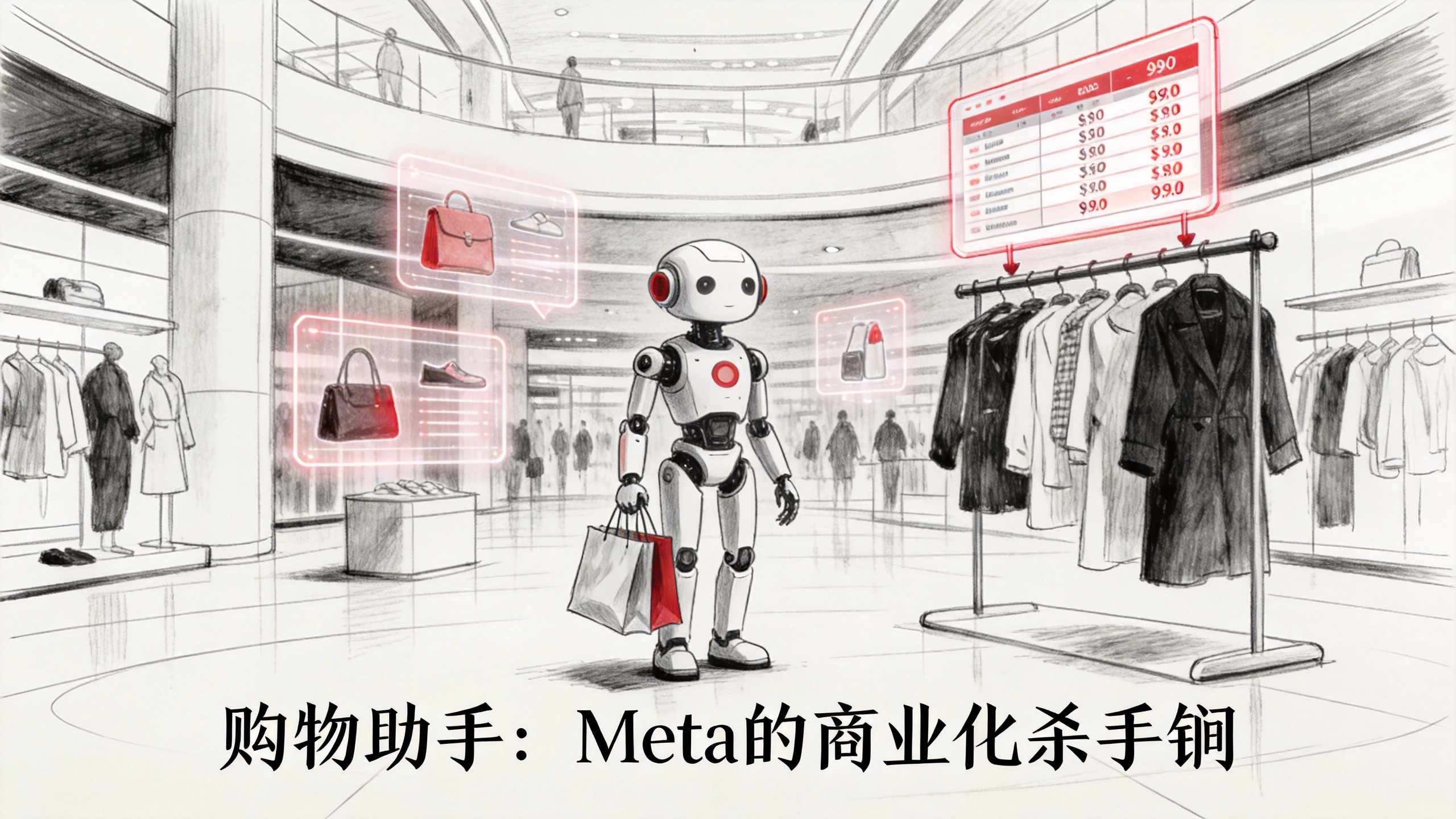
One last bonus: a Shopping Assistant feature is also in development.
While not functional yet, considering Meta owns Facebook and Instagram — two massive e-commerce traffic portals — an AI shopping assistant could be the most direct monetization path.
From “find me a blue dress” to “compare reviews for these three brands,” AI-powered shopping has enormous potential.
Competitive Landscape: Time Waits for No One

Meta faces significant pressure, though.
Recently, Opus 4.6 and GPT 5.3 Codex launched back-to-back, pushing the industry ceiling even higher. If Avocado doesn’t ship soon, it might miss the optimal window.
The good news: since the UI is already partially live, a February release seems likely. Some even speculated it might drop during the Super Bowl, though that remains unconfirmed.
Overall, this wave from Meta is packed with signal: a new model, agent capabilities, MCP ecosystem, open access, scheduled tasks, and shopping monetization — covering nearly every hot direction in the AI industry. Whether they can execute is one thing, but the ambition is undeniable.